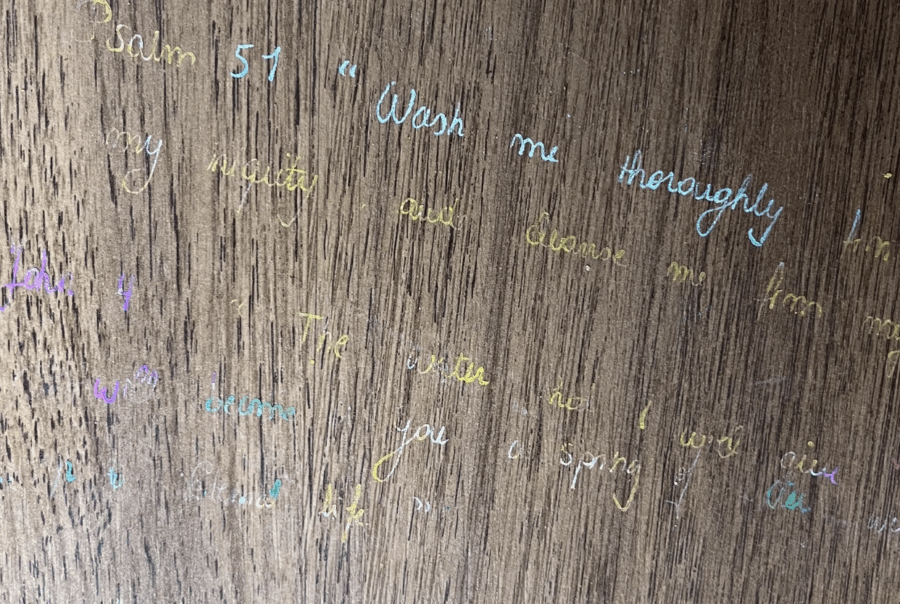
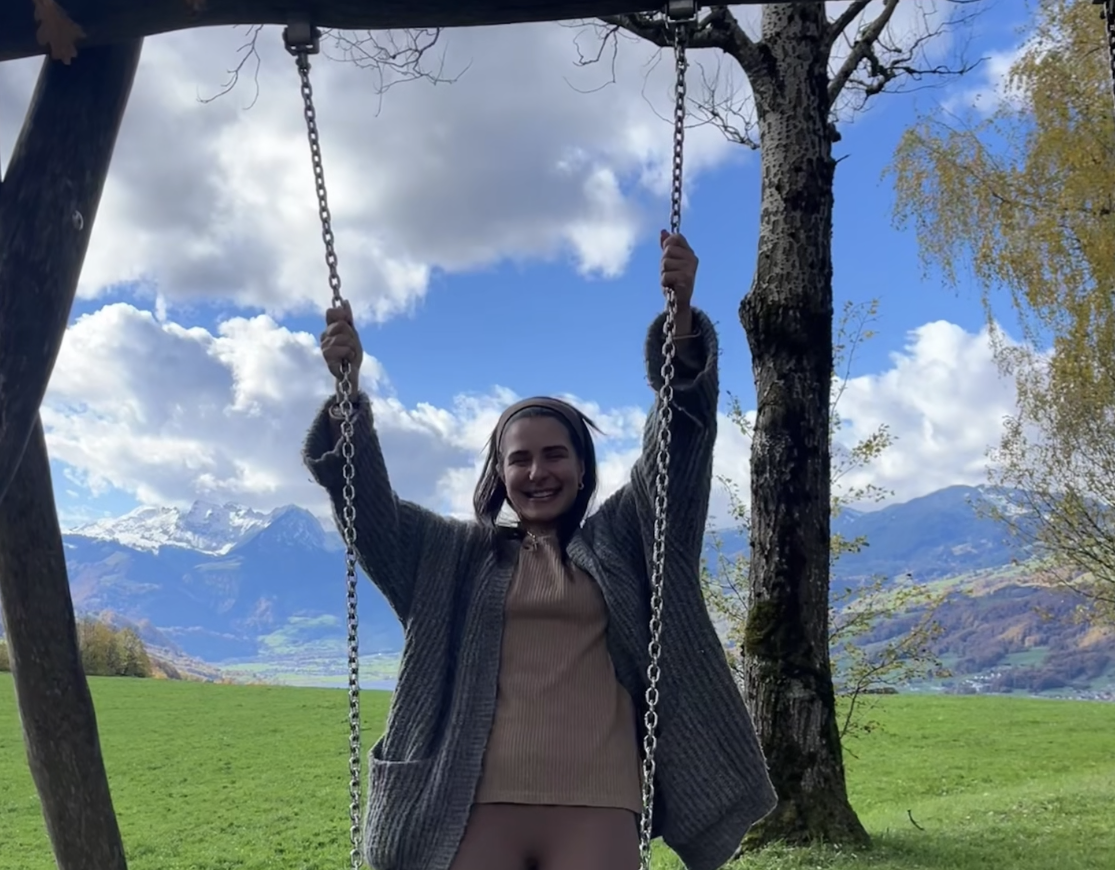
I recently spent several days at a silent retreat in Switzerland with the Chemin Neuf community. I arrived carrying a mixture of questions, hopes, and a quiet desire simply to sit with God. Not to change. Not to become someone else. Just to be with Him.

Learning to Sit With God
The journey began with an ambitious, unifying thought. A physicist shared his experience about creation: from the Big Bang to Man, from the simplest particle to the unified complexity of DNA.
It struck me that this scientific narrative mirrors the ultimate spiritual one: the Bible’s journey from the chaos of the Old Testament toward the perfect communion of the New.
My own life, I realized, is a microcosm of this cosmic drive. I am called to unity —with myself, with others, with creation, and ultimately, with God.
Yet what separates me from this unity is sin. Sin as a separation from Love, not as a punishment.
I’ve come to see the story of the Garden of Eden, often taught as a lesson in disobedience, as a profound reminder of our greatest dignity and our deepest challenge: dependence. The tree we can’t touch is not a punishment, but a signpost marking our limits.
As humans, we are finite; we do not have control over everything. When we forget this—when our pride whispers, “I don’t need anyone”—that is where sin begins, breeding the shame that isolates us from ourselves and makes the other feel like a danger. The only way back to true unity is to willingly accept our limits and anchor ourselves, not in our own strength, but in the unwavering reality of God’s love.
But how does one close the infinite gap between who we are and the perfect Love we crave?
The answer, I found, is a deliberate, daily choice to accept the invitation of grace. It means trading the fleeting temptations of the world — Possession, Honor, and Power — for the enduring pathway of Jesus: Poverty, Readiness to be Insulted, and Obedience. This choice is not a forced chain, but a free surrender, a conscious effort to imitate God’s qualities and walk the noble path He laid out.
Do not be afraid… for I am with you.
Jeremiah 1:8
Jeremiah expresses hesitation, fear, even a sense of inadequacy — and God responds not with pressure, but with presence.
The Choice: Two Camps of the Soul
The fundamental question of my retreat became: How do I practically live in this dependence on God, rather than relying on my own finite strength?
The answer lies in actively discerning the two spirits at work within the world and within myself. It’s a constant battle between the Spirit of the World and the Spirit of God.
🧱 The Path of Ego: Attachment and Separation
This path is rooted in the ego’s desire to control, accumulate, and affirm itself. It creates spiritual heaviness and ultimately leads to separation—from self, from others, and from our own inner peace. This manifests as three core temptations.
First is Acquisition, the lie that security is found in possessions; this leads to closing oneself off and being ruled by a fear of not having enough.
Second is Image, the lie that worthiness comes from external validation; this leads to Pride and the tendency to use others for self-affirmation rather than welcoming them genuinely.
Third is Control, the lie that true freedom means refusing all limits; this creates Arrogance and the Anger that results from feeling the world is unjustly failing to submit to one’s will.
Do not store up for yourselves treasures on earth, where moths and vermin destroy, and where thieves break in and steal (Matthew 6:19).
🌀 The Path of Spirit: Freedom and Unity
This begins with Simplicity, the practice of being unattached to possessions and validation, which creates inner lightness and releases the fear of loss.
It is followed by Humility, the practice of staying authentic to one’s values even if it means being misunderstood; this fosters the genuine welcoming of others and removes the need to manipulate the world.
Finally, there is Surrender, choosing to listen and embrace a life of service; this allows the soul to humble itself (to “go down”), which paradoxically allows it to rise more easily into peace and alignment. This reversal of worldly values—where “The first will be last, and the last will be first”—is the very essence of the spirit’s journey.
Humble yourselves, therefore, under God’s mighty hand, that he may lift you up in due time (1 Peter 5:6).
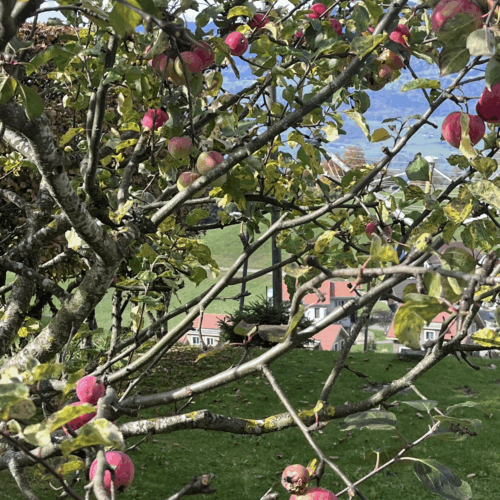
💖 The Courage to Be Loved
The truth is, it takes far more courage to accept love and forgiveness than it does to wallow in guilt.
We see two distinct human responses to deep failure: one path acknowledges the mistake but remains imprisoned by guilt, convinced that the error is final and irredeemable. The other path sees the mistake but chooses to let the self be loved anyway. It finds the courage to rise again and trust that change and redemption are always possible.
This path of repentance requires immense courage, mirroring Peter’s denial when he slowly separated himself from the truth, only to be called back by a sign through creation—the crowing rooster—and the gaze of love.
When I realize how deeply I am loved, only then can I begin to understand the true depth of my own failures, and the utter necessity of unconditional grace.
I found myself realising that God’s patience is not passive. It is active, gentle, steady. He doesn’t impose — He invites. Like in the Gospels, where Jesus walks with His disciples, not dragging them anywhere.
Where the Spirit of the Lord is, there is freedom.
2 Corinthians 3:17
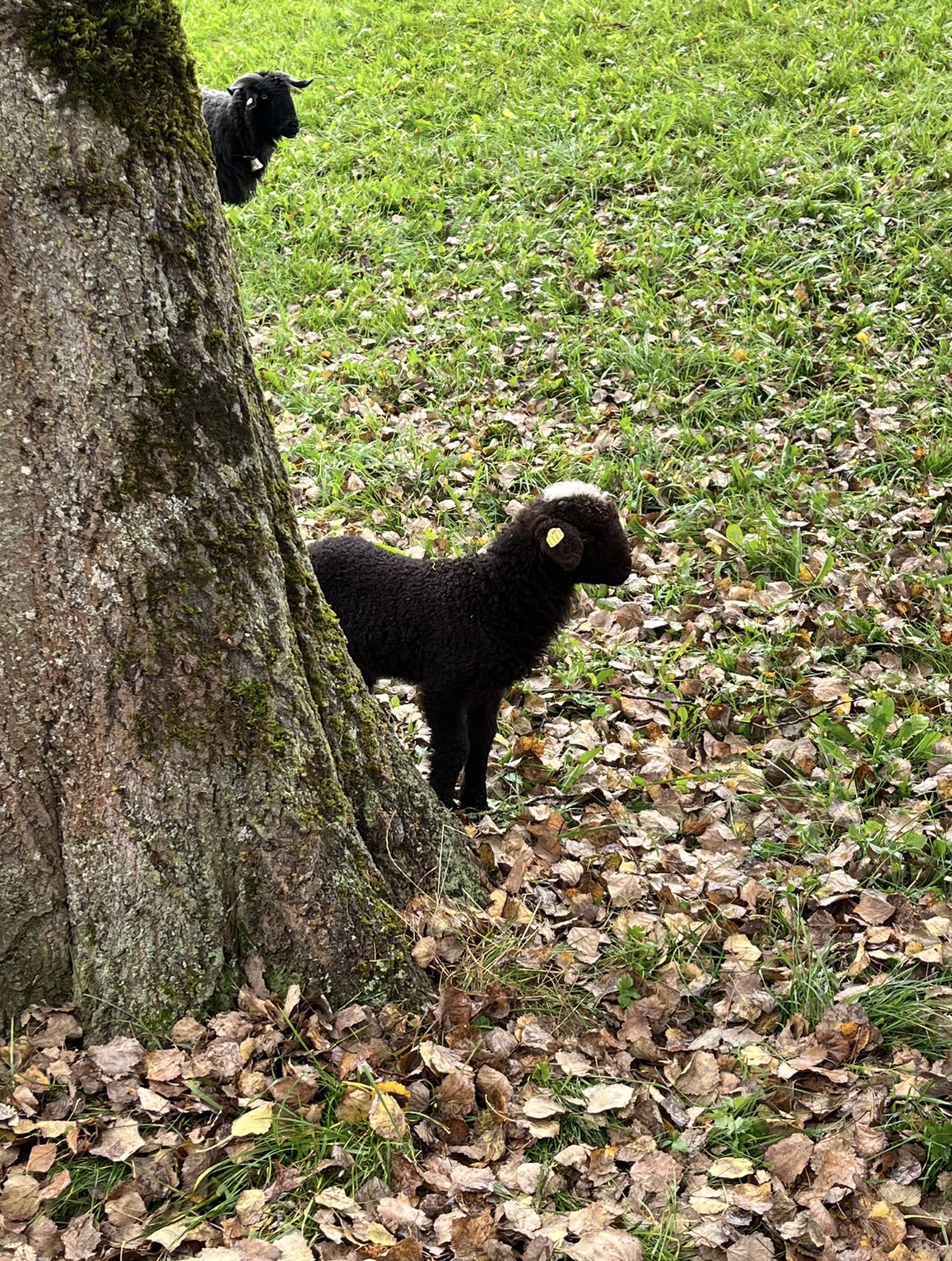
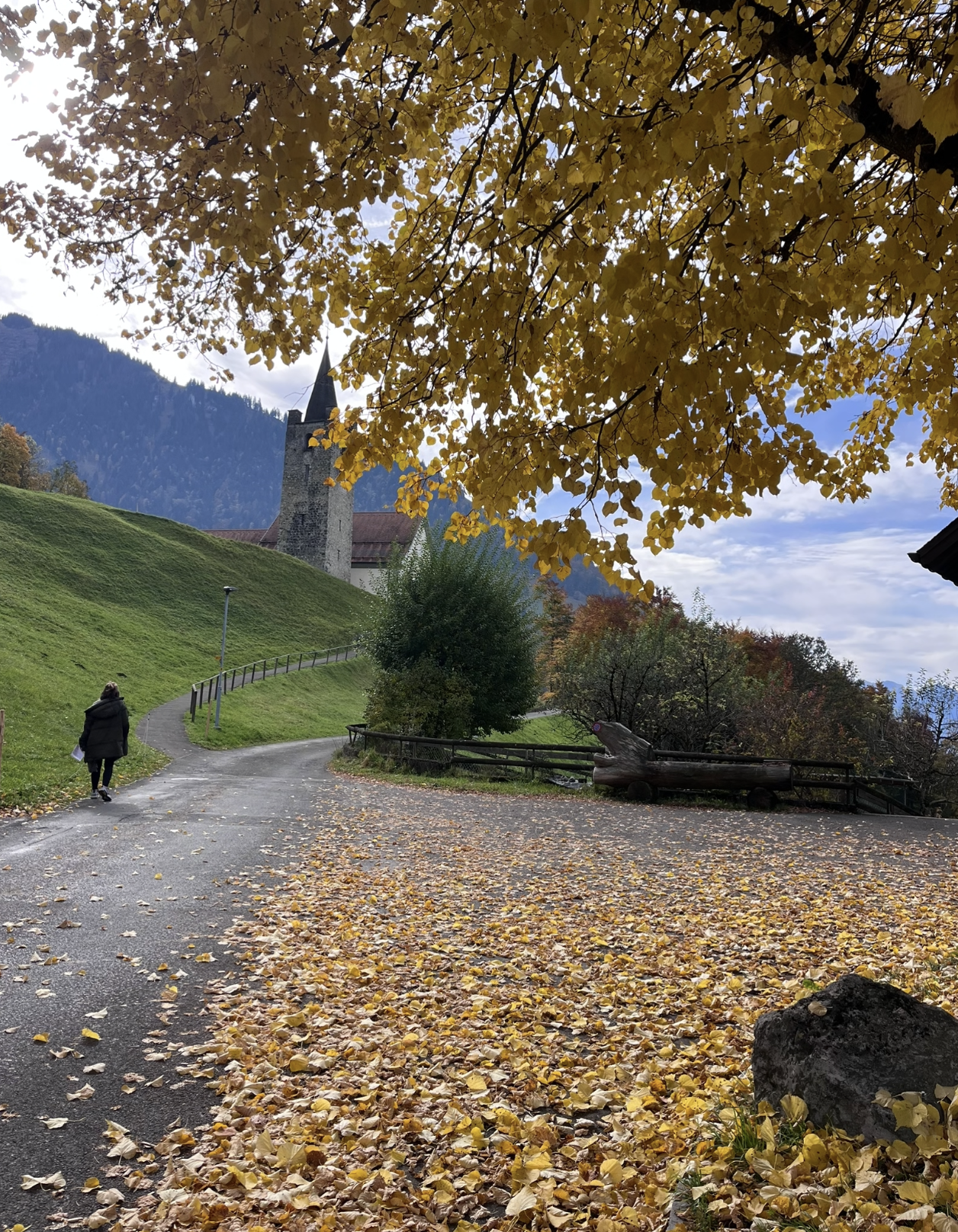
🍇 The Fruits of Freedom: A Restored Life
For me, embracing this love gave purpose to my everyday life, transforming what felt mundane into something meaningful.
It’s made me fall in love with my job again. It’s given me the strength to heal from three knee surgeries and let go of old unhealthy habits. This love did not just restore me to myself; it restored my connections to others. My relationship with my mother was restored after years of friction, and I found community that filled the isolation I once knew. Most tenderly, it was this surrender that allowed me to fall in love again and to abstain from the fleeting needs of the flesh, anchoring my joy in something lasting.
This entire experience crystallized the idea that love doesn’t ask me to renounce earthly pleasures — it simply asks me to put God first because that is the very path to my deepest joy and freedom.
When you are anchored in this unconditional love, the chaos of the world loses its power to make you lose your sight.
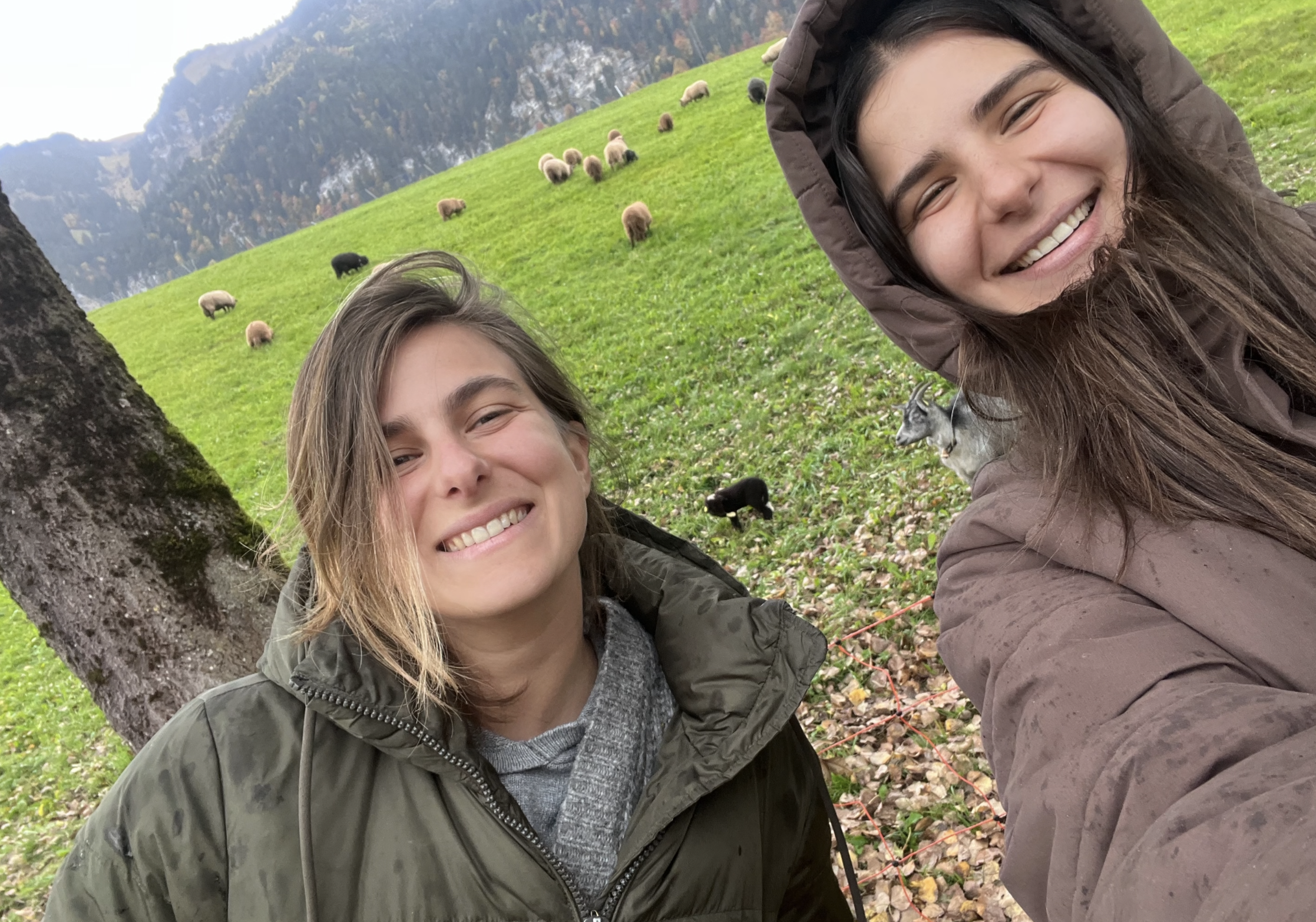
💍 The Invitation to Unity
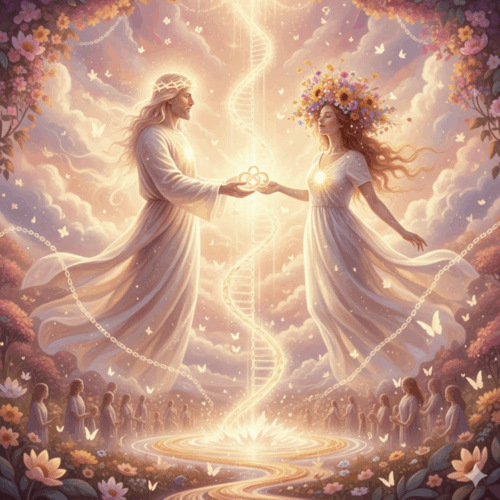
My experience culminated in the profound realization of who I am called to be. The love I encountered is a liberating force; it doesn’t oblige, it invites. I recalled the instruction to tie myself to this love without the chain (sans chaînes), freely.
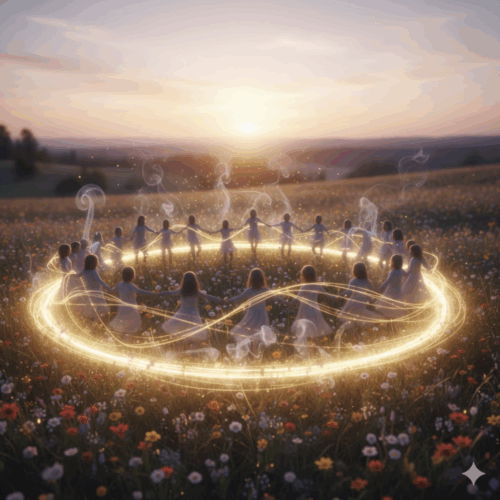
This sense of freedom and royal identity was sealed by a stunning inner experience— I saw myself dancing, wearing a white dress and flowers in my hair, full of radiant, intimate joy. This vision symbolized my ultimate vocation: a free, loving, and eternal union to Christ.
In the silence of that final surrender, I felt a deep truth
In eternity, souls are united… It is an endless silence, wrapped in the love of God. The liturgy of eternity is silence—silence of wonder and admiration.
A Subtle Reorientation
Silence has a way of rearranging the interior. Not dramatically, not loudly, but subtly — like a slow dawn. The change I felt during this retreat was not dramatic. It wasn’t a transformation I would announce or define. It was something quieter — like the feeling of turning your face slightly toward the sun and realizing there is more warmth than you had noticed before.
I left with a sense of being accompanied, and with the conviction that whatever comes next is not something I need to force or predict.
Just follow, one small step at a time.